
The opening round of FIFA World Cup Group G brings together two ambitious nations on Monday evening as Belgium face Egypt in a fixture that could play a significant role in shaping the group standings. With Iran and New Zealand completing the section, both teams are aware that a positive result at the outset could provide valuable momentum in the race for qualification to the knockout stages.
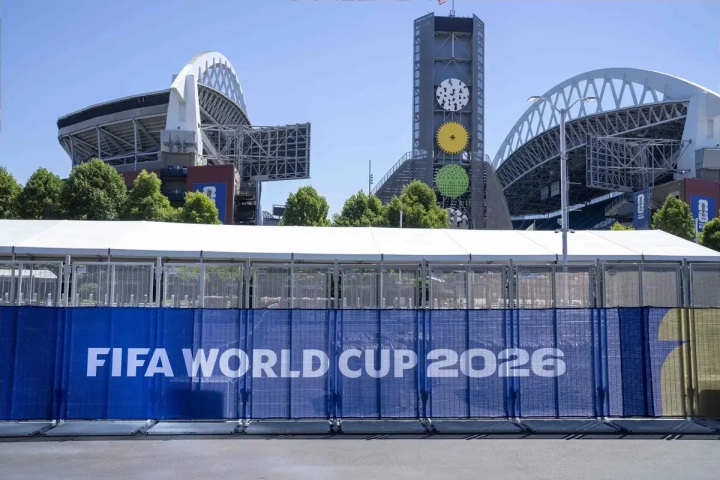
The match takes place on Monday, 15 June 2026 at Lumen Field in Seattle, Washington, with kick-off scheduled for 8pm BST, 9pm in Belgium and 10pm in Egypt. It marks the beginning of the World Cup campaign for both nations and represents one of the most intriguing opening fixtures of the group phase.
Although there will still be two matches remaining after this encounter, the significance of the contest is difficult to ignore. Belgium are widely regarded as one of the leading teams in the section and will be aiming to make an immediate statement, while Egypt arrive determined to demonstrate that they can compete with one of Europe’s strongest sides and take a major step towards reaching the knockout rounds for the first time in their history.
For Belgium, this tournament represents another opportunity to establish themselves among the elite nations on football’s biggest stage. The so-called golden generation that carried the Red Devils to third place at the 2018 World Cup has gradually evolved, yet the squad still contains a blend of proven experience and emerging talent capable of challenging deep into the competition.
The Belgian side is now led by head coach Rudi Garcia, who took charge after a distinguished managerial career across several European leagues. This World Cup marks Garcia’s first appearance at the tournament as Belgium manager, and much attention will be focused on how he balances the experienced core of the squad with a younger group eager to make its mark.
Recent results have provided encouragement. Belgium arrived at the World Cup after navigating qualification successfully and carrying confidence into the tournament. Their preparations included a convincing victory over Tunisia in a pre-World Cup friendly, with the coaching staff satisfied by both the attacking fluency and defensive organisation shown by the team.
At the heart of Belgium’s ambitions remains Kevin De Bruyne. The veteran midfielder is competing in what is expected to be his fourth World Cup and continues to be one of the game’s most influential creative players. His ability to dictate tempo, unlock defences with precise passing and deliver in decisive moments remains central to Belgium’s approach.
Alongside De Bruyne, the experience of Romelu Lukaku provides a focal point in attack. Belgium’s all-time leading scorer remains a formidable presence in the penalty area and offers a proven goalscoring threat at international level. The support cast includes dynamic wide players and attacking midfielders capable of stretching opponents and creating opportunities from multiple areas of the pitch.
Jeremy Doku has become increasingly important for Belgium due to his pace and ability to beat defenders in one-on-one situations. Charles De Ketelaere adds creativity and movement between the lines, while Amadou Onana brings physicality and energy in midfield. The presence of Thibaut Courtois in goal provides another layer of reassurance, with the experienced goalkeeper entering the tournament fully fit after recovering from previous injury concerns earlier in the season.
No confirmed suspensions have been reported within the Belgian squad ahead of the match, allowing Garcia the flexibility to select from his preferred options. Stability in team selection could prove valuable in a tournament where strong starts often set the tone for what follows.
Tactically, Belgium are expected to enjoy significant periods of possession. Garcia has emphasised proactive football since taking charge, encouraging his team to control matches through intelligent movement and patient build-up play. De Bruyne’s positioning will be particularly important as Belgium seek to create space against an Egyptian side likely to remain compact when out of possession.
The challenge for Belgium will be converting territorial dominance into clear-cut opportunities. Egypt have demonstrated throughout their recent campaigns that they are capable of remaining disciplined for long periods and punishing opponents through rapid transitions. Avoiding complacency will therefore be a major priority for Garcia and his players.
Standing opposite them is an Egyptian side carrying its own sense of belief and ambition. The Pharaohs have qualified for four World Cups but are still searching for a first victory in the finals. That statistic has been discussed extensively in the build-up to the tournament, yet there is genuine optimism that this squad possesses the quality required to change that narrative.
Hossam Hassan, one of the most iconic figures in Egyptian football history, leads the team into the competition. A former international striker who represented Egypt at the 1990 World Cup, Hassan understands the significance of the occasion and has repeatedly stressed his desire to help the nation reach new heights on the global stage.
The build-up to the tournament has been encouraging. Egypt progressed through qualification impressively and entered the World Cup with a squad containing a healthy mix of experience and emerging talent. A recent friendly defeat against Brazil provided valuable preparation against elite opposition, and Hassan was able to assess his team against one of the tournament favourites before the competitive action began.
Naturally, much of the attention surrounding Egypt centres on Mohamed Salah. The Liverpool forward remains the nation’s most recognisable footballer and continues to carry enormous expectations. His influence extends beyond goals and assists; his leadership, experience and ability to inspire team-mates make him indispensable to Egypt’s ambitions.
Supporting Salah is Omar Marmoush, whose rise in recent years has added another dimension to the Egyptian attack. Quick, direct and capable of operating across multiple forward positions, Marmoush provides an important outlet on the counterattack. The combination of his pace and Salah’s movement gives Egypt genuine attacking threat even against possession-dominant opponents.
Elsewhere, Mahmoud Hassan, widely known as Trezeguet, remains an experienced option capable of contributing goals and creativity, while Ahmed Sayed Zizo offers additional quality in advanced areas. In defence, Mohamed Abdelmonem has become an important figure, and goalkeeper Mohamed El Shenawy brings considerable international experience between the posts.
Egypt’s final World Cup squad also includes highly regarded teenager Hamza Abdel Karim, whose selection reflects the federation’s commitment to integrating younger players into the national team setup. While expectations surrounding emerging talents are always carefully managed, his inclusion has generated interest among supporters.
No confirmed suspensions have been reported for Egypt ahead of the encounter. Likewise, there are no widely confirmed injury absences among the key members of Hassan’s World Cup squad entering the tournament opener.
From a tactical perspective, Egypt are likely to focus on defensive organisation and disciplined positioning. Against a technically gifted Belgian side, maintaining compactness between the defensive and midfield lines will be essential. The Pharaohs have shown repeatedly that they are comfortable conceding possession when necessary, preferring instead to exploit space through quick transitions and direct attacks.
Salah’s positioning will be particularly fascinating. Whether operating from a wide starting position or drifting into more central areas, his movement will test Belgium’s defensive structure. Marmoush’s pace on the opposite side could create opportunities whenever Egypt regain possession and launch forward.
History adds another layer of intrigue to the fixture. Although Belgium have frequently been considered one of Europe’s leading national teams over the past decade, Egypt have enjoyed some memorable results in previous meetings. Most notably, the Pharaohs defeated Belgium 2-1 in an international friendly in 2022, a result that demonstrated their ability to compete against elite opposition.
The overall head-to-head record between the nations is limited but notable. Previous encounters have produced a mixture of results, ensuring that neither side enters this World Cup clash burdened by an overwhelming psychological advantage. Instead, the focus remains firmly on the present and the opportunities available in Group G.
Beyond the immediate importance of the match, broader tournament narratives are also beginning to emerge. Belgium are attempting to avoid a repeat of the disappointment experienced at the 2022 World Cup, where they exited in the group stage despite high expectations. The current squad may be different in profile, but the desire to re-establish Belgium among the tournament’s leading contenders remains strong.
Egypt, meanwhile, are pursuing a historic breakthrough. Progressing beyond the group phase would represent one of the most significant achievements in the history of the national team and would further underline the growth of African football on the world stage. Every point therefore carries enormous significance.
Several individual battles could prove decisive. The midfield contest involving De Bruyne and Egypt’s central players may dictate the rhythm of the game. Belgium will seek to create space through intelligent passing combinations, while Egypt must find ways to disrupt that flow without sacrificing their defensive shape.
Equally compelling will be the duel between Belgium’s defence and the Egyptian attack. Courtois’ experience and authority provide Belgium with a strong last line of defence, but containing both Salah and Marmoush for ninety minutes represents a challenge for any international side.
The atmosphere inside Lumen Field is expected to provide a fitting backdrop. Seattle has embraced its role as a World Cup host city, and supporters from both nations are anticipated to create a vibrant occasion. Opening matches often carry an element of unpredictability, with nerves and excitement combining to produce compelling contests.
As the countdown to kick-off continues, both teams can point to legitimate reasons for optimism. Belgium possess the pedigree, experience and technical quality associated with one of Europe’s strongest footballing nations. Egypt arrive with confidence, attacking talent and a determination to write a new chapter in their World Cup story.
By the time the final whistle sounds in Seattle, the Group G landscape may already look very different. For Belgium, it is an opportunity to establish control of the section from the outset. For Egypt, it is a chance to challenge expectations and take a significant step towards a historic achievement. With so much at stake and a wealth of talent on display, the stage is set for a fascinating World Cup encounter.