

Pauline Tapping, Senior Clinical Psychologist, from Lancashire and South Cumbria NHS Foundation Trust (LSCFT), shares her expertise and personal experiences to explore why the winter months can affect our mood and wellbeing, the symptoms to look out for and some practical ways to manage them.
As someone who experiences SAD herself, Pauline understands first-hand how challenging the darker winter months can be. Pauline hopes by sharing her reflections, knowledge and advice it may help others feels better supported and informed.
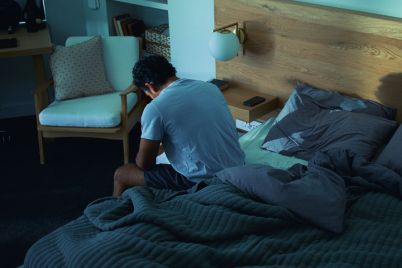
Has anyone else been struggling to get out of bed in the mornings? It’s that time of year when the clocks go back and suddenly the days become shorter and the evenings loom over us. It can feel like a constant battle to get up and dressed in the cold darkness. Hitting the snooze button becomes a familiar occurrence for many of us. But why is it that we find things so much harder in the winter?
Coinciding with the clocks going back, the weather also becomes much more changeable, wet and windy. Some people describe the start of winter as a hibernation process. Although humans don’t actually hibernate like animals, we can be inclined to slow down a little, stay indoors and take part in fewer outdoor activities.
For some people, however, these seasonal changes can have a more significant impact on their mental health.
What is Seasonal Affective Disorder (SAD)?
Changes in mood can often be linked to a specific time of year. Seasonal Affective Disorder (SAD) often occurs at the start of winter and is recognised as a type of depression that typically occurs during the winter months.
SAD is much more common in women, with figures suggesting that up to three times more women experience it than men. The Royal College of Psychiatrists estimates that around three in every 100 people experience major symptoms of SAD, although some estimates suggest it could affect as many as ten per cent of the population at any given time.
What are the symptoms of SAD?
The most common symptoms of Seasonal Affective Disorder are very similar to those associated with depression. They include:
- A persistent low mood, feeling sad or glum.
- Feeling generally slowed down and lethargic.
- Low energy and finding it difficult to get out of bed.
- Feeling less sociable and not wanting to be around other people.
- Feeling irritable.
- Changes in eating behaviours, particularly eating more.
- An increase in sleep or oversleeping.
Seasonal Affective Disorder is seasonal, which means symptoms typically improve by springtime. It is thought that increased exposure to sunlight can influence serotonin levels, which affect our mood. Reduced sunlight exposure and changes to vitamin D levels have also been suggested as possible contributing factors.
If you have experienced SAD before, you may already recognise the signs and know that you need to seek additional support during the winter months. However, for some people, SAD can develop unexpectedly.
Pauline adds:
“As a psychologist, I also have lived experience of Seasonal Affective Disorder. Each year, I have to work hard to manage my symptoms. Sometimes things work well, but I definitely have difficult days, particularly in December.
“For me, structure and consistency are important. I aim to move every day but if I’m feeling particularly tired, I might spend some time journaling, reading or writing. I also find it helpful to have things to look forward to.
“When things become more difficult when the days are especially short and gloomy, I make a conscious effort to reach out to friends for social support and embrace the coping strategies that work for me.
My advice would be to think about what might work for you, but do this now rather than waiting until the symptoms of SAD really kick in.”
What can we do to manage the symptoms of SAD?
There is no single remedy that works for everyone. However, Pauline explains there are some simple things we can do to help manage symptoms.
Perhaps the most important first step is recognising that there is a problem and considering what small changes might help.
- Create a routine
Set an alarm every day and try to establish a regular routine that you can stick to.
- Get natural light
Try to spend some time outdoors in natural daylight each day, even when it is cloudy or the weather isn’t particularly inviting. A healthcare professional or pharmacist can also advise on whether vitamin D supplements may be appropriate for you.
- Set small goals
Set small and manageable goals each day or week. Working towards and achieving goals can improve our mood and provide a sense of achievement and satisfaction.
Goals could be as simple as going for a walk, reading a chapter of a book, sorting a drawer or tackling a small household task.
- Keep active
Exercise is known to release mood-boosting chemicals that can help regulate our mood, manage stress and support our overall wellbeing.
Try to keep active, either indoors or outdoors. Remember, you don’t need to be an athlete or run long distances. Keep your goals realistic and achievable for you. Even ten minutes of movement can be a positive step.
- Connect with others
Connecting with people can improve our mood. Sharing how we feel can help normalise some of the feelings associated with SAD, and we may discover that others experience similar challenges.
- Embrace the indoors
Use your free time indoors productively. You could declutter, journal your thoughts or prepare meals to stock up the freezer. Having ready-made meals available can be particularly helpful on days when you feel less motivated or too tired to cook something nourishing.
- Change your perspective
We cannot control the weather or the time the sun rises and sets. However, we can control how we respond to things and which thoughts we choose to focus on.
Distraction can be a useful tool when experiencing low mood, as it can help shift attention away from unhelpful negative thoughts. Try listening to audiobooks or radio shows, which can give your mind something positive to focus on.
- Seek professional help
If you are experiencing more severe depressive symptoms alongside SAD, seek support from your GP or a qualified healthcare professional. Therapy or counselling can provide support with managing low mood, setting goals and addressing low motivation.
Pauline concludes:
“It is important to remember that even though things may feel very difficult in the moment, periods of low mood can improve and support is available.
As the seasons change, think about the things that help you when you’re having a difficult day. Consider making small, intentional steps to introduce positive changes into your routine and don’t be afraid to reach out for support when you need it.”